Support strong, resilient tree growth with fertilization
Healthy trees need more than water and sunshine to stay strong through heat, humidity, and seasonal stress. Tree fertilization supports better color, stronger growth, and long-term resilience by replenishing nutrients your landscape may be missing, without relying on quick fixes that fade fast.
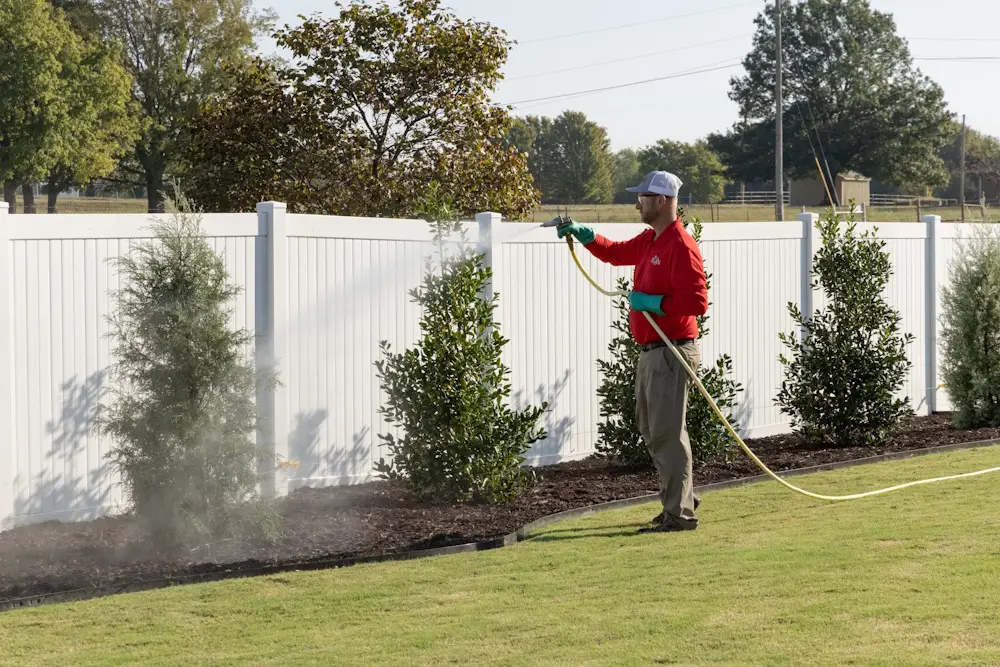
Trees rely on balanced nutrients to recover from heat, weather extremes, and environmental stress. Professional tree fertilization supports dependable tree care services by replenishing essential nutrients and encouraging deeper, healthier root systems.
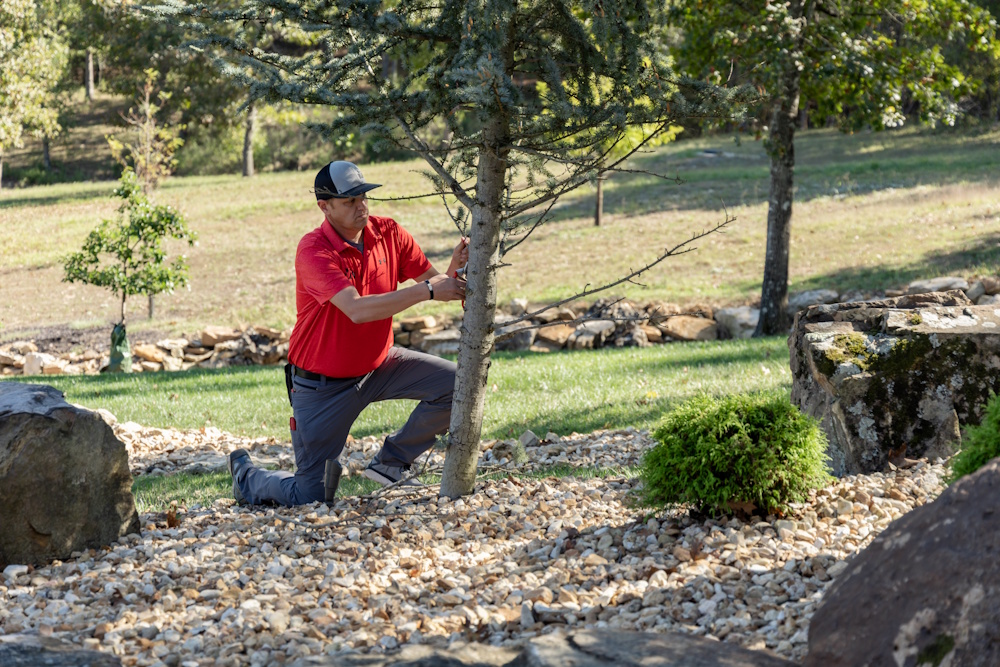
Your trees are assessed for growth patterns, nutrient deficiencies, and overall condition.
Customized fertilization plan
Nutrients and timing are selected based on species, soil conditions, and seasonal needs.
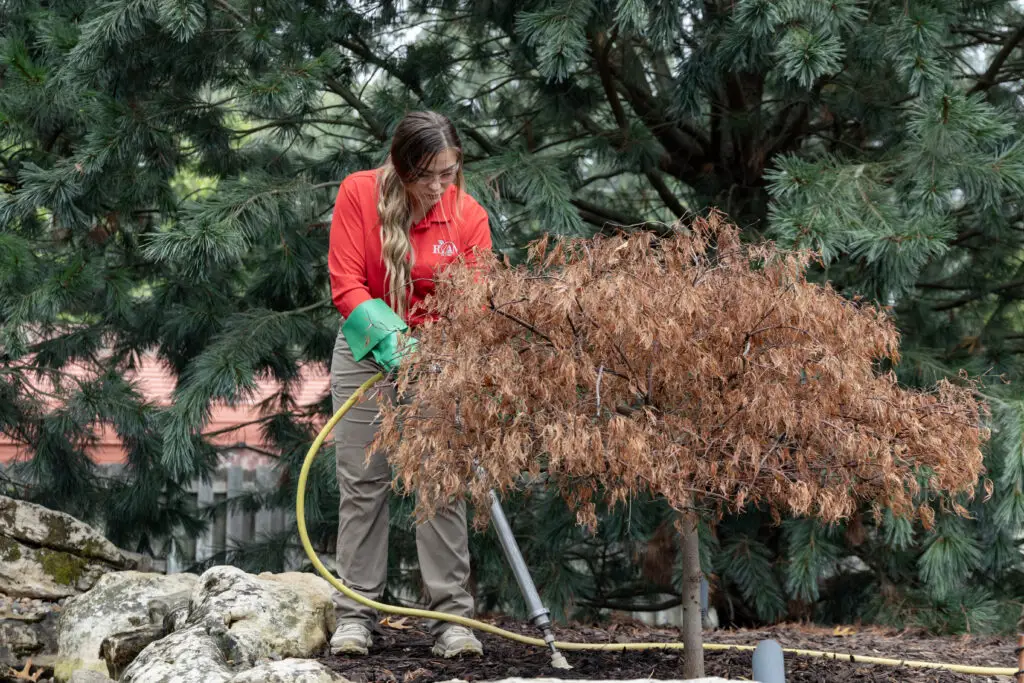
Deep-root fertilization
Liquid nutrients are applied directly into the root zone for effective absorption.
Ongoing tree support
Fertilization works alongside other plant care services to support consistent, long-term health.
How it works
Lawn Inspection and Consultation
Your dedicated RYAN Pro begins with a thorough inspection of your lawn, evaluating turf type, soil condition, and local climate to understand what your yard needs to thrive. (This could be a good place to add details about soil testing or evaluation methods.)
Personalized Fertilization Plan
Spring Pre-Emergent and Fertilizer
Targeted Weed Control
Mid-Season Monitoring
Fall Fertilizer Application
Winterizer Fertilizer
Ongoing Support
Experienced arborist services
Care guided by local expertise
Your trees are cared for by professionals who understand Branson’s soils, climate, and native species. Supported by experienced arborist services, this relationship-driven approach ensures fertilization supports longevity and structural health.
“All of Ryan’s services have been exceptional. Lawn service, tree service. The employees are professional and will take the time to answer any questions if necessary. Highly recommend.”
Roderick D.
“KNOWLEDGEABLE, HONEST, and no sales pressure. Just an honest evaluation of my trees. Highly recommend Ryan Lawn & Tree!!”
Angie O.
“Ryan performed my fall Tree-Shrub Fertilization on my newly planted shrubs, as well as the crepe myrtles and Japanese maple. Tech answered questions I had for trimming back new plants. Always glad for their expertise, as well as for doing what they say they will do. Thank you, Ryan Lawn & Tree!”
John E.
“Our RYAN team members are extremely professional, friendly, and thorough in caring for our lawn and trees. They always write an outstanding description of the work completed. Recommend them highly because they are always at our side.”